The magnetic property of a mold locating ring is a topic that might not be on the top of everyone's mind when dealing with mold components. However, understanding this characteristic can be crucial for specific industrial applications. As a supplier of Mold Locating Rings, I've had numerous inquiries regarding the magnetic nature of these essential parts. In this blog, I'll delve into the details of whether mold locating rings possess magnetic properties and the implications of such characteristics.
Understanding Mold Locating Rings
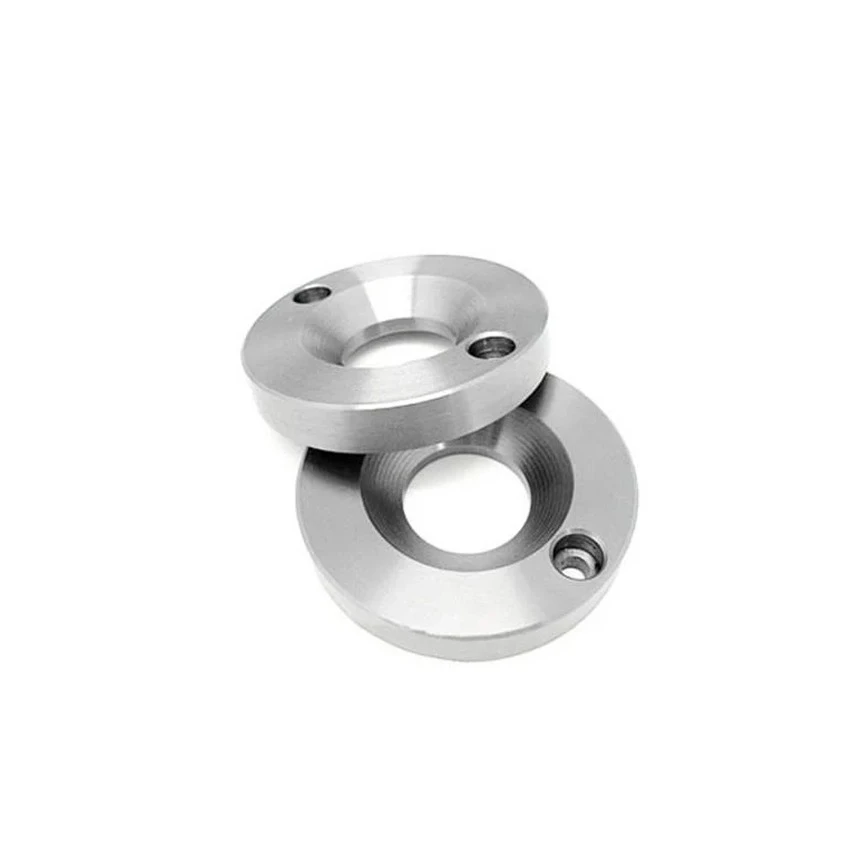
Before we jump into the magnetic properties, let's briefly understand what a mold locating ring is. A Mold Locating Ring is a critical component in the injection molding process. Its primary function is to accurately align the mold with the injection molding machine's nozzle. This alignment ensures that the molten plastic can flow smoothly from the machine into the mold cavity, resulting in high - quality molded products.
Mold locating rings come in various sizes, shapes, and materials. The most common materials used for manufacturing mold locating rings include steel, aluminum, and brass. Each material has its own set of properties that make it suitable for different applications.
Magnetic Properties of Different Materials
Steel
Steel is one of the most widely used materials for mold locating rings. The magnetic property of steel depends on its composition. Most carbon steels and alloy steels are ferromagnetic, which means they can be magnetized and are strongly attracted to magnets. This is because these steels contain iron, and iron atoms have unpaired electrons in their outer shells. These unpaired electrons create a magnetic moment, allowing the material to respond to an external magnetic field.
In the context of mold locating rings, the magnetic property of steel can be both an advantage and a disadvantage. On one hand, if a manufacturing environment requires precise positioning and holding of the mold locating ring, the magnetic property can be utilized. For example, in some automated injection molding setups, magnetic fixtures can be used to hold the steel mold locating ring firmly in place, ensuring consistent alignment.
On the other hand, in applications where magnetic interference is a concern, the magnetic property of steel can be a problem. For instance, in the production of electronic components, magnetic fields can interfere with the sensitive circuitry. In such cases, non - magnetic materials might be preferred.
Aluminum
Aluminum is a non - ferromagnetic material. It does not have the same magnetic properties as steel. Aluminum atoms have a filled outer electron shell, which means there are no unpaired electrons to create a magnetic moment. As a result, aluminum mold locating rings are not attracted to magnets and do not generate their own magnetic fields.
This non - magnetic property makes aluminum an ideal choice for applications where magnetic interference needs to be avoided. Additionally, aluminum is lightweight and has good corrosion resistance, which can be beneficial in certain manufacturing environments.
Brass
Brass is an alloy of copper and zinc. Similar to aluminum, brass is also non - magnetic. The atomic structure of brass does not allow for the creation of a significant magnetic moment. This makes brass a suitable material for mold locating rings in applications where magnetic fields could cause issues.
Implications of Magnetic Properties in Industrial Applications
The magnetic property of a mold locating ring can have several implications in industrial applications.
Precision Manufacturing
In precision manufacturing processes, the magnetic property can be exploited to ensure accurate positioning. For example, in high - precision injection molding of medical devices, the use of a magnetic steel mold locating ring can help in maintaining the exact alignment of the mold with the injection machine. This precision is crucial for producing medical components with tight tolerances.
Electronic Component Manufacturing
As mentioned earlier, electronic component manufacturing requires a non - magnetic environment. In this case, using non - magnetic materials such as aluminum or brass for mold locating rings is essential. Magnetic fields can cause interference with the electronic circuits during the molding process, leading to defective products.
Cleaning and Maintenance
The magnetic property can also affect the cleaning and maintenance of mold locating rings. Steel mold locating rings can attract metal debris and dust particles due to their magnetic nature. This can lead to the accumulation of contaminants, which might affect the performance of the mold locating ring over time. In contrast, non - magnetic materials like aluminum and brass are less likely to attract such debris, making them easier to clean and maintain.
Related Mold Components
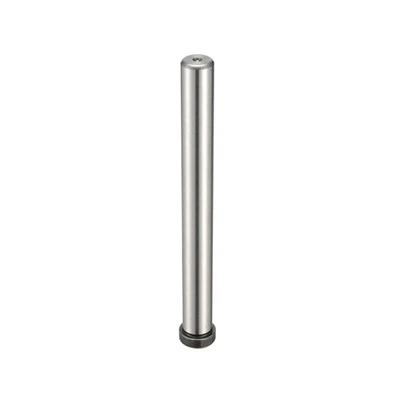
In addition to mold locating rings, there are other mold components that are worth mentioning. Straight Pins are used for alignment and positioning within the mold. They can be made from various materials, and their magnetic properties follow similar principles as mold locating rings. Steel straight pins are magnetic, while those made from non - magnetic materials like aluminum are not.
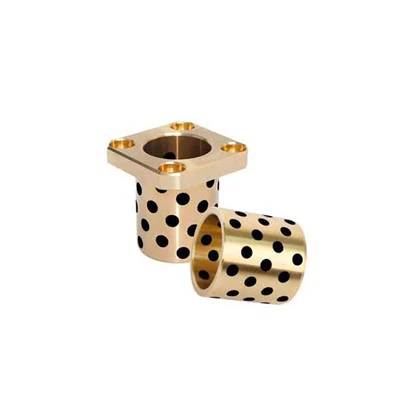
Mold Copper Bushings are another important component. Copper is a non - magnetic material, so mold copper bushings do not have magnetic properties. These bushings are used to reduce friction and wear between moving parts in the mold.
Conclusion and Call to Action
In conclusion, the magnetic property of a mold locating ring depends on the material it is made of. Steel mold locating rings are often magnetic, while those made from aluminum and brass are non - magnetic. Understanding these magnetic properties is essential for choosing the right mold locating ring for specific industrial applications.
If you're in the market for high - quality mold locating rings or other mold components, we are here to help. Our extensive range of products is designed to meet the diverse needs of different industries. Whether you require magnetic or non - magnetic mold locating rings, we can provide you with the perfect solution. Contact us to start a procurement discussion and find the best mold components for your manufacturing processes.
References
- Callister, W. D., & Rethwisch, D. G. (2017). Materials Science and Engineering: An Introduction. Wiley.
- ASM Handbook Committee. (2004). ASM Handbook, Volume 1: Properties and Selection: Irons, Steels, and High - Performance Alloys. ASM International.