As a supplier of straight pins, I often get asked about the durability of these seemingly simple yet incredibly useful tools. In this blog post, I'll delve into what determines the durability of a straight pin, how it can vary based on different factors, and why it matters in various applications.
Understanding the Basics of Straight Pins
Straight pins are small, slender rods with a sharp point at one end and a head or a blunt end at the other. They are commonly used in a wide range of industries, from sewing and crafting to manufacturing and engineering. In sewing, they are used to hold fabric pieces together before stitching. In manufacturing, they can be used for alignment, fastening, or as a component in more complex machinery.
The durability of a straight pin is a measure of its ability to withstand wear, deformation, and breakage over time and use. It's a crucial characteristic, as a pin that fails prematurely can lead to inefficiencies, product defects, or even safety hazards.
Factors Affecting the Durability of Straight Pins
Material Quality
The material from which a straight pin is made is perhaps the most significant factor affecting its durability. Common materials include steel, brass, and stainless steel.
- Steel Pins: Steel is a popular choice due to its strength and affordability. High - carbon steel pins are particularly strong and can withstand significant force without bending. However, they are prone to rusting if not properly coated or treated. For example, in a manufacturing environment where pins are exposed to moisture or chemicals, a rust - prone steel pin may quickly deteriorate, reducing its durability.
- Brass Pins: Brass is a softer metal compared to steel. It is often used in applications where corrosion resistance is important, such as in jewelry - making or in environments with high humidity. While brass pins are less likely to rust, they are more likely to bend under stress compared to steel pins.
- Stainless Steel Pins: Stainless steel offers the best of both worlds - high strength and excellent corrosion resistance. It contains chromium, which forms a protective oxide layer on the surface, preventing rust and corrosion. Stainless steel straight pins are ideal for applications where durability and resistance to environmental factors are crucial, such as in outdoor machinery or in the food and beverage industry.
Manufacturing Process
The way a straight pin is manufactured also plays a vital role in its durability. Precision manufacturing techniques ensure that the pin has a consistent diameter, a sharp point, and a well - formed head.
- Cold Heading: This is a common manufacturing process for straight pins. It involves shaping the metal at room temperature by applying pressure. Cold - headed pins are generally stronger and more uniform in shape compared to pins made by other methods. The process also allows for the creation of complex head shapes, which can enhance the pin's functionality and durability.
- Heat Treatment: Heat treatment can significantly improve the hardness and strength of a straight pin. By heating the pin to a specific temperature and then cooling it rapidly, the metal's internal structure is altered, making it more resistant to wear and deformation. For example, quenching and tempering can increase the hardness of a steel pin, making it suitable for high - stress applications.
Surface Finish
The surface finish of a straight pin can affect its durability in several ways. A smooth surface finish reduces friction, which can prevent wear and tear during use. It also makes the pin easier to insert and remove from materials.
- Coatings: Applying a coating to the pin can enhance its durability. For example, a zinc coating can provide additional corrosion resistance to steel pins. A Teflon coating can reduce friction, making the pin slide more easily through materials. Some coatings can also improve the pin's appearance, which is important in applications where aesthetics matter, such as in jewelry.
Applications and Durability Requirements
The durability requirements of a straight pin vary depending on its application.
Sewing and Crafting
In sewing and crafting, straight pins are used to hold fabric pieces together temporarily. While they don't need to withstand extremely high forces, they do need to be sharp enough to penetrate the fabric easily and durable enough to be reused multiple times. A dull or bent pin can damage the fabric or make the sewing process more difficult. For this application, a medium - strength steel or brass pin with a smooth surface finish is usually sufficient.
Manufacturing and Engineering
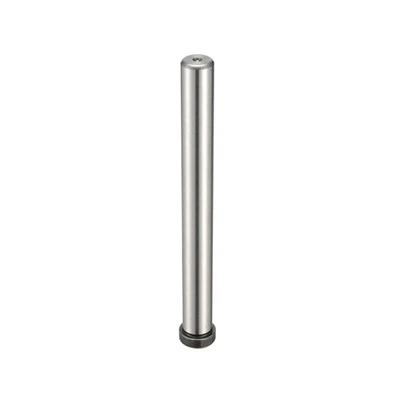
In manufacturing and engineering, straight pins are often used for alignment, fastening, or as a component in machinery. They need to be able to withstand high forces without bending or breaking. For example, in a mold - making process, Center Support Pin are used to support the mold structure. These pins need to be made of high - strength steel and undergo proper heat treatment to ensure their durability under the high pressures and temperatures involved in the molding process.
Automotive and Aerospace Industries
In the automotive and aerospace industries, the durability requirements for straight pins are even more stringent. Pins used in these industries need to be able to withstand extreme conditions, such as high temperatures, vibrations, and corrosive environments. Stainless steel pins with a high - quality surface finish are often used to ensure long - term reliability and safety.


Measuring the Durability of Straight Pins
There are several ways to measure the durability of straight pins.
Tensile Strength
Tensile strength is the maximum amount of tensile (pulling) stress that a pin can withstand before breaking. It is usually measured in pounds per square inch (psi) or megapascals (MPa). A pin with a high tensile strength is more durable and can withstand greater forces without breaking.
Hardness Testing
Hardness testing measures the resistance of a pin to indentation or scratching. Common hardness testing methods include the Rockwell hardness test and the Brinell hardness test. A harder pin is generally more resistant to wear and deformation.
Corrosion Resistance Testing
Corrosion resistance testing involves exposing the pin to a corrosive environment, such as saltwater or a chemical solution, for a specific period of time. The pin is then inspected for signs of corrosion, such as rust or pitting. A pin with good corrosion resistance will show minimal signs of damage after the test.
Ensuring the Long - Term Durability of Straight Pins
As a supplier, I take several steps to ensure the long - term durability of the straight pins I offer.
- Quality Control: I have a strict quality control process in place to ensure that every pin meets the highest standards. This includes inspecting the pins for defects, measuring their dimensions, and testing their hardness and tensile strength.
- Proper Storage and Handling: I provide guidelines to my customers on how to store and handle the pins properly. Storing the pins in a dry, clean environment and avoiding excessive bending or dropping can help extend their lifespan.
- Customization: I understand that different customers have different durability requirements. That's why I offer customized straight pins, made from the right material, with the appropriate surface finish and heat treatment, to meet the specific needs of each application.
Conclusion
The durability of a straight pin is determined by a combination of factors, including material quality, manufacturing process, surface finish, and application requirements. As a supplier, I am committed to providing high - quality straight pins that meet the diverse needs of my customers. Whether you're a hobbyist looking for a reliable pin for your sewing project or a manufacturer in need of heavy - duty pins for your machinery, I can offer the right solution.
If you're interested in learning more about our straight pins or have specific durability requirements for your application, please don't hesitate to contact me for a procurement discussion. I'm here to help you find the perfect straight pin for your needs.
References
- ASM Handbook Volume 1: Properties and Selection: Irons, Steels, and High - Performance Alloys
- Manufacturing Engineering and Technology by Serope Kalpakjian and Steven Schmid
- ASTM Standards for Metals Testing