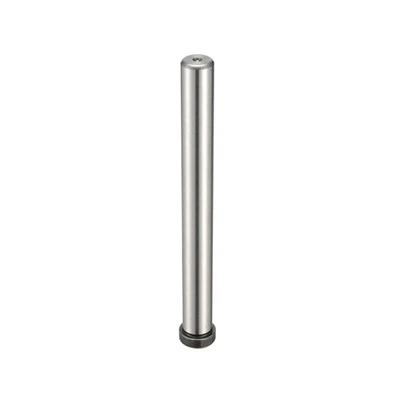
When it comes to the manufacturing of molds, selecting the right size of Mold Guide Post is crucial for ensuring the precision, durability, and overall performance of the mold. As a seasoned Mold Guide Post supplier, I have witnessed firsthand the significant impact that an appropriate guide post size can have on the success of a mold project. In this blog, I'll share some key factors and considerations to help you make an informed decision when choosing the right size of Mold Guide Post.
Understanding the Role of Mold Guide Posts
Mold Guide Posts serve as the backbone of the mold, providing accurate alignment and support during the molding process. They ensure that the moving parts of the mold, such as the cavity and core, come together precisely, resulting in high - quality molded products. Any misalignment can lead to issues like flash, short shots, or uneven part dimensions, which can ultimately affect the functionality and aesthetics of the final product.
Factors to Consider for Choosing Size
Mold Size and Design
The overall size and complexity of the mold are primary factors in determining the size of the Mold Guide Posts. Larger molds generally require larger guide posts to handle the increased weight and forces during operation. For instance, in a large - scale automotive mold, where the weight of the mold components can be substantial, using small guide posts might lead to premature wear and alignment problems.
On the other hand, if your mold has a complex design, with multiple moving parts and precise tolerances, you may need to choose guide posts with a higher degree of accuracy. Smaller, more precisely manufactured guide posts can provide the necessary alignment for intricate mold features.
Production Volume
The expected production volume also plays a vital role. If you're planning for high - volume production, the guide posts will be subjected to more frequent use and greater stress. In such cases, larger and more robust guide posts are recommended. They can withstand the repeated impacts and frictional forces associated with high - volume molding, reducing the risk of breakage or wear over time.
For low - volume production or prototyping, you may have more flexibility in guide post size selection. Smaller guide posts can be used to reduce costs, as long as they can still provide the necessary alignment for the limited number of production runs.
Molding Material
The type of material being molded affects the choice of guide post size. Different materials have varying properties, such as hardness, viscosity, and shrinkage rates. For example, when molding hard plastics, the guide posts need to be strong enough to resist the higher pressures generated during the injection process.
Materials with high shrinkage rates can cause additional stress on the mold as they cool and contract. In these situations, larger guide posts can help maintain the alignment and stability of the mold, preventing parts from becoming distorted.
Measuring and Specifying the Right Size
Diameter
The diameter of the Mold Guide Post is a critical dimension. It should be selected based on the load - bearing requirements of the mold. As a general rule, a larger diameter guide post can handle more substantial loads. You need to calculate the total force exerted on the guide post during the molding cycle, including the clamping force, injection pressure, and any forces due to the movement of the mold components.
Industry standards and design guidelines can also provide a starting point for diameter selection. For example, in many common mold designs, guide post diameters typically range from a few millimeters for small, simple molds to several inches for large industrial molds.
Length
The length of the guide post is determined by the thickness of the mold plates and the required stroke length of the mold. It should be long enough to provide sufficient guidance during the opening and closing of the mold but not so long that it causes interference or instability.
When calculating the required length, consider the maximum distance the mold needs to travel during operation and add a safety margin. This ensures that the guide post remains fully engaged in the corresponding guide bushing at all times.
Tolerance
Tolerance refers to the allowable variation in the dimensions of the guide post. Tighter tolerances result in more precise alignment but can also increase the cost of manufacturing. For applications where high precision is required, such as in the production of medical devices or aerospace components, you may need to choose guide posts with very tight tolerances.
However, for less critical applications, looser tolerances can be acceptable, which can help reduce costs without sacrificing the overall performance of the mold.
Complementary Mold Components
In addition to the Mold Guide Posts themselves, it's important to consider the complementary mold components that work in conjunction with them.
The Center Support Pin is designed to provide additional support to the mold, especially in large or heavy molds. It helps distribute the load evenly and prevents deflection of the mold plates. When choosing the size of the Mold Guide Posts, you should also ensure that the center support pins are of an appropriate size to work in harmony with the guide posts.
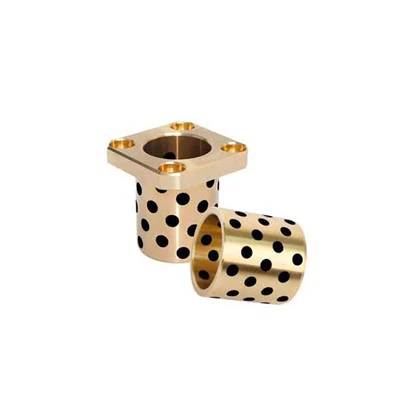
Another important component is the Mold Copper Bushing. These bushings are used to guide the guide posts and reduce friction during the movement of the mold. The size of the bushings should be carefully selected to match the diameter and length of the guide posts, ensuring a smooth and precise operation.
The Mold Locating Ring is used to accurately position the mold on the injection molding machine. It also needs to be compatible with the overall size and design of the mold and the guide posts. Selecting the right size of the locating ring ensures proper alignment between the mold and the machine, which is essential for successful molding.


Conclusion
Choosing the right size of Mold Guide Post is a complex but essential task in mold design and manufacturing. By carefully considering factors such as mold size and design, production volume, molding material, and the complementary mold components, you can make an informed decision that will result in a high - performing mold.
As a reliable Mold Guide Post supplier, we have the expertise and experience to help you select the perfect guide post size for your specific needs. Whether you're working on a small - scale prototype or a large - scale industrial project, our team of professionals can provide personalized advice and high - quality products.
If you're interested in learning more about our Mold Guide Posts or have any questions regarding the size selection process, we encourage you to contact us for a procurement discussion. We look forward to partnering with you to ensure the success of your mold projects.
References
- “Mold Design Handbook” - Various industry - recognized authors, this handbook provides comprehensive information on mold design principles, including selection of mold components.
- Industry standards from organizations such as the Society of the Plastics Industry (SPI), which offer guidelines for mold design and component specifications.