Hey there! As a supplier of mold components, I've seen firsthand how crucial it is to choose the right parts for your molds. It can be a real headache, especially if you're new to the game. But don't worry, I'm here to break it down for you and make the process a whole lot easier.
Understanding Your Mold's Needs
First things first, you need to have a clear understanding of what your mold is going to be used for. Different applications require different types of mold components. For example, if you're making injection molds for plastic parts, you'll need components that can withstand high pressures and temperatures. On the other hand, if you're working on a simpler casting mold, your requirements might be a bit more relaxed.
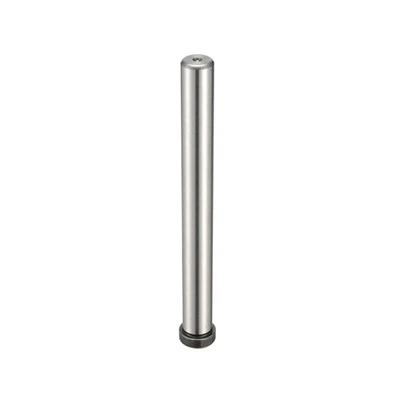
Think about the size and complexity of the parts you're going to produce. Larger parts may need more robust support structures, like Support Pillar Mold. These support pillars help distribute the pressure evenly across the mold, preventing warping and ensuring a high - quality finished product. If your mold has moving parts, you'll need components that can handle repeated motion without wearing out quickly.
Material Matters
The material of the mold components is super important. There are several common materials used in mold - making, each with its own pros and cons.
Steel is a popular choice because it's strong, durable, and can be heat - treated to increase its hardness. It's great for high - volume production where the mold will be used over and over again. Stainless steel, in particular, is resistant to corrosion, which is a big plus if your mold will be exposed to moisture or chemicals.
Aluminum is another option. It's lightweight, which can make the mold easier to handle and move around. It also has good thermal conductivity, which means it can heat up and cool down quickly during the molding process. However, it's not as strong as steel, so it might not be suitable for applications with extremely high pressures.
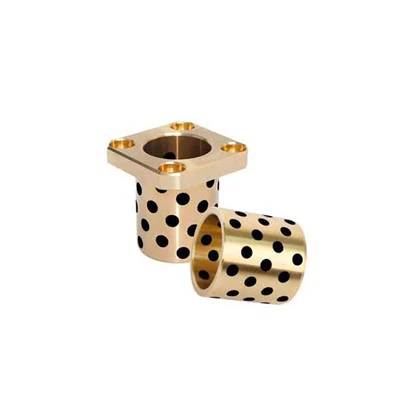
Brass is often used for components that require good electrical conductivity or for parts that need to be easily machined. It's also resistant to wear and has a nice aesthetic finish.
Precision and Tolerance
When it comes to mold components, precision is key. You want components that fit together perfectly to ensure a smooth molding process. Tolerance refers to the allowable deviation from the specified dimensions of a component.
For high - precision molds, you'll need components with tight tolerances. This means that the parts will fit together snugly, reducing the risk of leaks or misalignments during the molding process. However, components with tight tolerances are usually more expensive to manufacture. So, you need to balance the need for precision with your budget.
Surface Finish
The surface finish of the mold components can have a big impact on the quality of the final product. A smooth surface finish can prevent the molded parts from sticking to the mold, making it easier to remove them. It also helps to create a better - looking surface on the finished part.
There are different levels of surface finish, from a rough finish to a mirror - like finish. The type of finish you need depends on the requirements of your product. For example, if you're making a part with a visible surface, you'll probably want a high - quality surface finish to give it a professional look.
Compatibility
All the mold components need to be compatible with each other. This includes not only the physical fit but also the chemical compatibility. For example, if you're using different metals in your mold, you need to make sure they won't react with each other and cause corrosion or other problems.
You also need to consider the compatibility of the components with the molding process. For instance, if you're using a hot - runner system in your injection mold, the components need to be able to withstand the high temperatures and pressures associated with it.
Cost - Benefit Analysis
Of course, cost is always a factor when choosing mold components. You don't want to overspend, but you also don't want to cut corners and end up with low - quality parts that will cause problems down the line.
When doing a cost - benefit analysis, consider the upfront cost of the components, as well as the long - term costs. Components that are more expensive upfront but last longer and require less maintenance can actually save you money in the long run. For example, investing in high - quality Return Rod that won't break or wear out easily can prevent costly downtime during production.
Supplier Reputation
As a mold - component supplier myself, I know how important it is to choose a reliable supplier. You want a supplier who has a good reputation for providing high - quality components on time.
Look for suppliers who have been in the business for a while and have positive reviews from other customers. A good supplier will also offer technical support and be able to answer your questions about the components. They should be willing to work with you to find the best solutions for your specific needs.
Testing and Quality Control
Before you start using a new set of mold components, it's a good idea to do some testing. You can perform simple tests like fitting the components together to make sure they match up properly. You can also test the functionality of the components, such as checking the movement of a Center Support Pin.


A reputable supplier will have their own quality - control measures in place. They should be able to provide you with documentation showing that the components have been tested and meet the required standards.
Customization
Sometimes, off - the - shelf mold components won't meet your specific requirements. In that case, you might need to consider custom - made components.
Customization allows you to get components that are tailored exactly to your mold's needs. You can specify the dimensions, material, surface finish, and other features to ensure the best performance. However, custom - made components usually take longer to produce and are more expensive than standard ones.
Conclusion
Choosing the right mold components is a complex but important process. By considering factors like the mold's application, material, precision, surface finish, compatibility, cost, supplier reputation, testing, and customization, you can make an informed decision.
If you're still not sure which components are right for your mold, don't hesitate to reach out. As a mold - component supplier, I'm here to help you find the perfect solutions for your molding needs. Whether you're a small - scale manufacturer or a large - scale production facility, we can work together to ensure your molds perform at their best.
References
- "Mold Making Technology Handbook" by Peter F. MacDonald
- "Plastic Injection Molding Handbook" by Oleg V. Mazuruk