

Hey there! As a supplier of Mold Guide Pillars, I've seen firsthand how surface treatment can have a huge impact on the properties of these crucial components. In this blog, I'm gonna break down the ins and outs of surface treatment and how it affects the performance of Mold Guide Pillars.
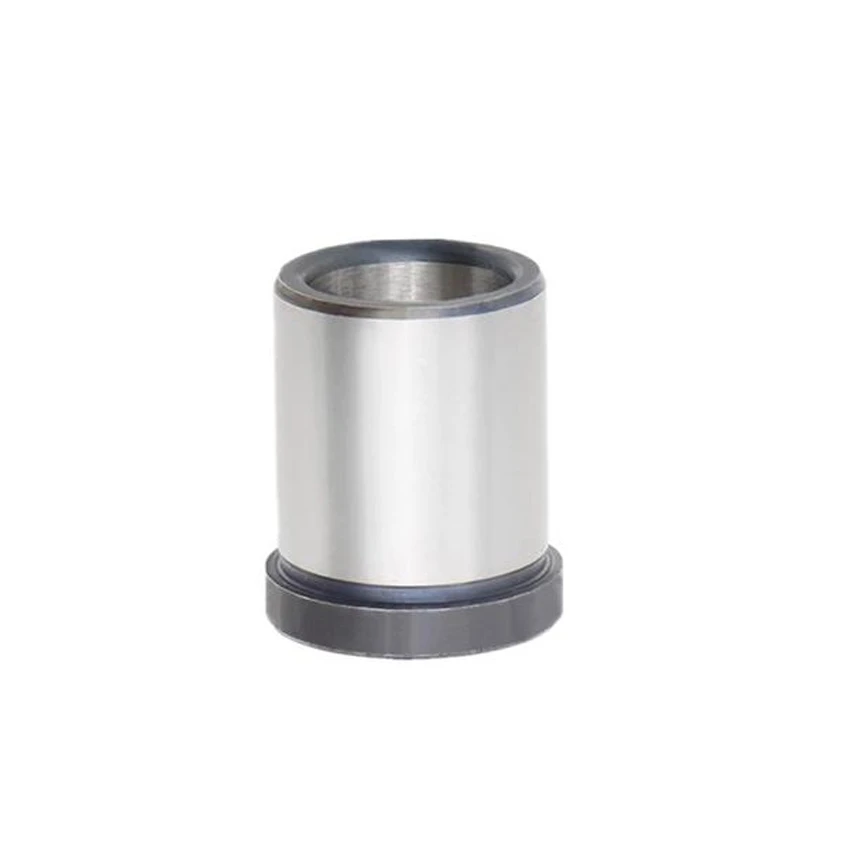
First off, let's talk about what a Mold Guide Pillar is. It's a key part in mold systems, used to guide the movement of mold parts and ensure accurate alignment. You can learn more about it on our website: Mold Guide Pillar.
Now, surface treatment is like giving your Mold Guide Pillar a special makeover. It involves applying a layer or modifying the surface of the pillar to enhance its properties. There are several common surface treatment methods, and each has its own unique effects.
One of the most popular surface treatments is nitriding. Nitriding is a process where nitrogen is introduced into the surface of the metal. This creates a hard nitride layer on the surface of the Mold Guide Pillar. The benefits of nitriding are pretty amazing. For starters, it significantly increases the hardness of the pillar. A harder surface means better wear resistance. In a mold environment, where there's a lot of friction and movement, wear is a big concern. With nitrided Mold Guide Pillars, they can withstand more cycles of use without getting worn down. This not only extends the lifespan of the pillar but also reduces the need for frequent replacements, which can save a lot of money in the long run.
Another great thing about nitriding is that it improves the corrosion resistance of the Mold Guide Pillar. In some industrial settings, the mold may be exposed to corrosive substances or environments. A nitrided surface acts as a protective barrier, preventing the metal from reacting with these corrosive elements. This is especially important for molds used in the food processing or chemical industries, where corrosion can be a major issue.
Then there's chrome plating. Chrome plating is another well - known surface treatment method. When you chrome - plate a Mold Guide Pillar, you're essentially depositing a layer of chromium on its surface. Chrome has a very smooth finish, which reduces friction between the pillar and other mold components. This smooth surface allows for smoother movement within the mold, improving the overall efficiency of the mold operation.
In addition to reducing friction, chrome plating also gives the Mold Guide Pillar a shiny and aesthetically pleasing appearance. While this may not seem like a big deal in terms of functionality, in some industries, the appearance of the mold components can matter. For example, in high - end consumer product manufacturing, where the mold is part of a visible assembly, a chrome - plated Mold Guide Pillar can add a touch of quality and professionalism.
But chrome plating isn't without its drawbacks. One of the main issues is that the chrome layer can be relatively thin, and if it gets damaged, the underlying metal may be exposed to wear and corrosion. So, proper handling and maintenance are crucial when using chrome - plated Mold Guide Pillars.
There's also the option of using PVD (Physical Vapor Deposition) coatings. PVD coatings are a bit more high - tech. They involve depositing a thin film of material onto the surface of the Mold Guide Pillar in a vacuum environment. These coatings can be customized to have different properties depending on the specific needs of the application.
For example, some PVD coatings can be designed to have extremely high hardness, even higher than that achieved through nitriding. This makes them ideal for molds that are subjected to very high pressures and loads. Other PVD coatings can have self - lubricating properties, which further reduce friction and improve the movement of the Mold Guide Pillar within the mold.

However, PVD coatings can be more expensive than other surface treatment methods. The equipment and process required for PVD coating are more complex, which drives up the cost. But if you're in an industry where high - performance mold components are a must, the investment in PVD - coated Mold Guide Pillars can be well worth it.
Now, let's talk about how surface treatment affects the dimensional accuracy of the Mold Guide Pillar. During the surface treatment process, it's important to ensure that the dimensions of the pillar remain within the specified tolerances. For example, in nitriding, the process can cause a slight increase in the size of the pillar due to the formation of the nitride layer. Skilled technicians need to account for this expansion and adjust the manufacturing process accordingly to ensure that the final product meets the required dimensions.
Similarly, with chrome plating and PVD coatings, the thickness of the coating needs to be carefully controlled. If the coating is too thick, it can affect the fit of the Mold Guide Pillar within the mold, leading to alignment issues and reduced performance. On the other hand, if the coating is too thin, it may not provide the desired level of protection or performance improvement.
When it comes to choosing the right surface treatment for your Mold Guide Pillar, there are several factors to consider. First, think about the operating environment of the mold. If it's a high - wear environment, a hard - surface treatment like nitriding or a high - hardness PVD coating may be the best choice. If friction is a major concern, chrome plating or a self - lubricating PVD coating could be more suitable.
You also need to consider your budget. As I mentioned earlier, some surface treatment methods are more expensive than others. You need to balance the cost with the expected benefits. If you're running a large - scale production operation, spending a bit more on high - performance surface treatments may be justified if it leads to increased productivity and reduced downtime.
In addition to Mold Guide Pillars, we also offer other related mold components, such as Center Support Pin and Support Pin. These components also benefit from proper surface treatment to ensure optimal performance.
If you're in the market for Mold Guide Pillars or other mold components and want to learn more about how surface treatment can enhance their properties, we're here to help. We have a team of experts who can guide you through the selection process and recommend the best surface treatment options for your specific needs. Whether you're a small - scale manufacturer or a large industrial enterprise, we can provide you with high - quality products and excellent service. So, don't hesitate to get in touch with us to start a procurement discussion.
References
- "Metal Surface Treatment Handbook", John Wiley & Sons
- "Advanced Surface Engineering for Molds and Dies", Elsevier
- Industry research reports on mold component manufacturing

